

All these years designing homes for Daakor clients has given me a unique perspective on what homeowners find most challenging when it comes to decorating their space. The number one issue I see? Most people don’t really understand their personal design style.
They’ll often come to me convinced they know what they like, “I’m definitely modern,” or “I love traditional design,” but once we start looking through inspiration photos together, it usually turns out they’ve got it wrong. Their favourite rooms often don’t fit neatly into one category. Often our clients are drawn to the warmth and familiarity of traditional style but also the simplicity and freshness of modern design.
And that sweet spot between the two?That’s called transitional design. It’s the perfect balance of classic and contemporary. It’s comfortable, timeless, and endlessly adaptable. And once you see what makes it so appealing, you’ll understand why everyone loves it right now.
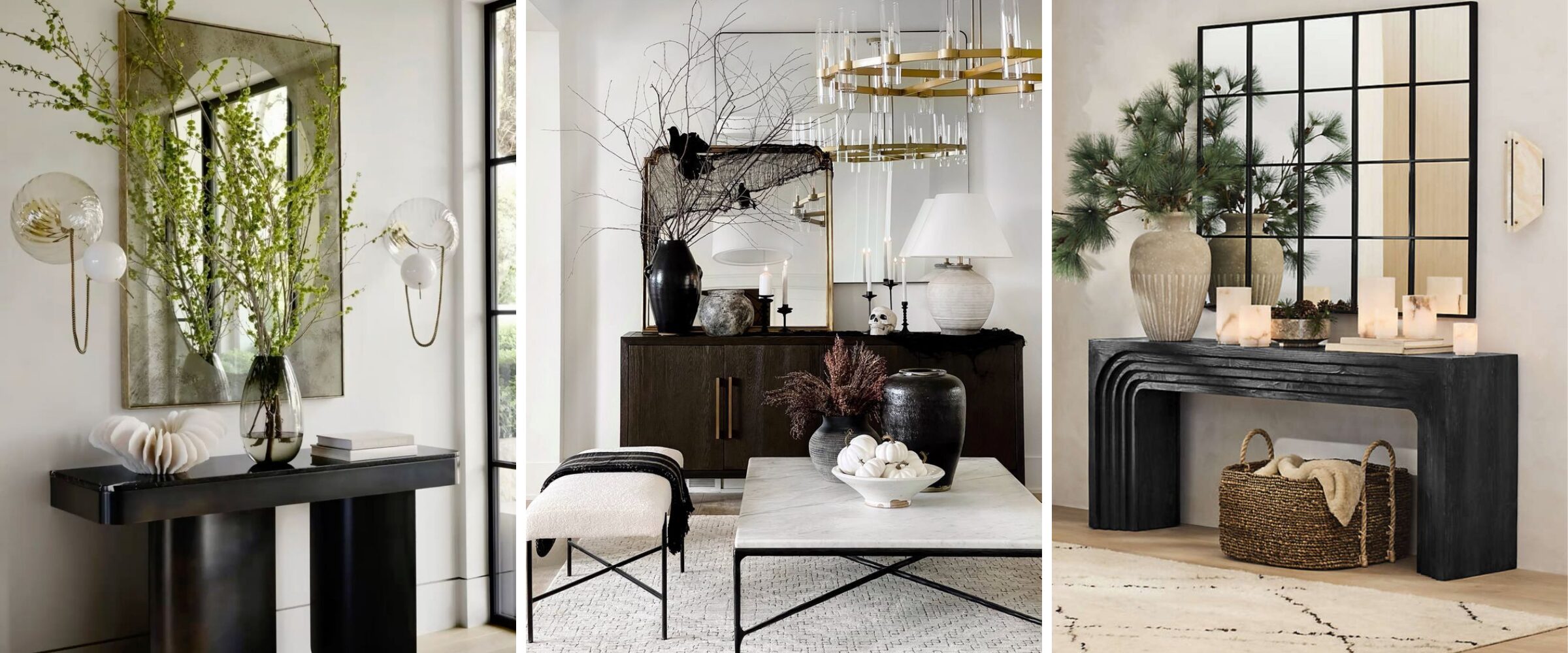
Images via Pinterest.
What Exactly Is Transitional Design?
When I tell clients that the spaces they’re drawn to are examples of transitional design, I usually get a puzzled look. It’s one of those terms you might have heard in passing but never really understood.
So, what is transitional design exactly? It’s that effortless balance between old and new, where the warmth and familiarity of traditional style meet the clean lines and simplicity of modern design. It’s refined but comfortable, timeless but never stuffy.
Think streamlined furniture with classic silhouettes; a calm, neutral colour palette layered with texture; a mix of soft fabrics, warm woods, and sleek metals; and fewer frills, but still full of warmth and depth. That’s what transitional design is all about.
It’s the kind of design that feels right at home in almost any setting, whether you live in a downtown condo or a suburban family home. And that’s one of the reasons why transitional design has become so loved right now: it just fits.
When done well, it feels calm, elegant, and beautifully lived in like a space that looks current today and will still feel timeless years from now.
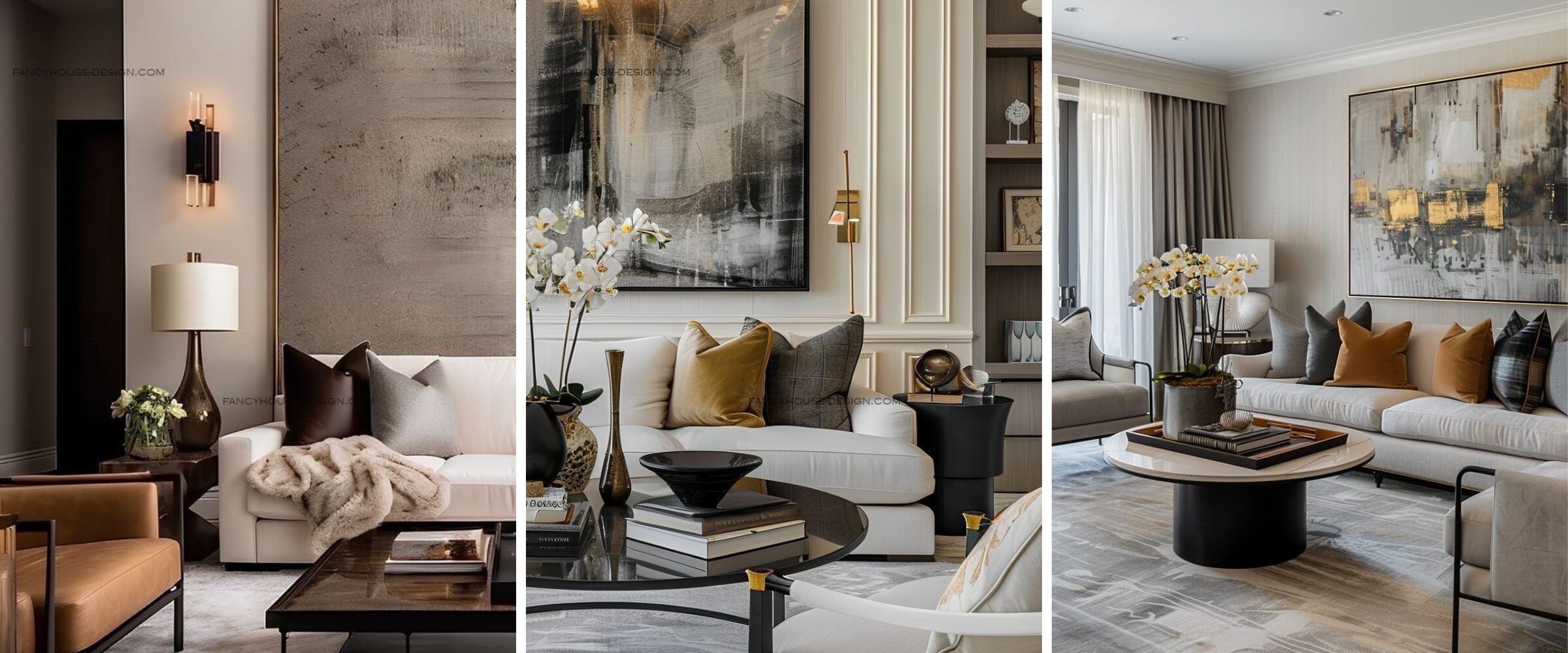
Images via Pinterest.
Why Transitional Design Is So Popular Right Now
There’s a reason so many people are drawn to transitional design, even if they can’t quite put their finger on why. It speaks to how we want to live today…comfortably, but with a little style.
For years, design trends swung from one extreme to another.We went from dark, heavy traditional furniture to the clean, minimal lines of modern and contemporary styles. But over time, many homeowners realized that pure minimalism felt a little too cold. At the same time traditional design, though beautiful, sometimes felt a little dated or overly formal. Think grandma’s house, right?
So many homeowners fall into this trap of trying one trend after another without a plan. It’s a classic example of The Sneaky Design Mistake That’s Costing You Thousands.
Transitional design is that middle ground we didn’t know we were craving. It lets you have the best of both worlds. The warmth and comfort of traditional style, balanced with the simplicity and freshness of modern design.
And right now, that balance feels especially appealing. After spending so much time at home in the past few years, people are craving spaces that feel calm, grounded, and timeless. Homes that look beautiful, yes, but more importantly, feel good to be in. And if you haven’t noticed, I’m all about spaces that feel good.
Transitional design does that effortlessly. It’s classic enough to stand the test of time but flexible enough to evolve as your taste changes. You can easily add trendier pieces down the road without the whole room feeling out of sync.
It’s also a style that works beautifully with most architectural styles. For example, it’s a great style regardless if you live in a new build, a century home, or a condo with clean lines. That versatility makes it a favourite among designers and homeowners alike.
At Daakor, I often say transitional design is like a beautifully tailored blazer. It’s simple, timeless, and endlessly adaptable. You can dress it up or down and it always looks effortlessly polished. That’s the goal.
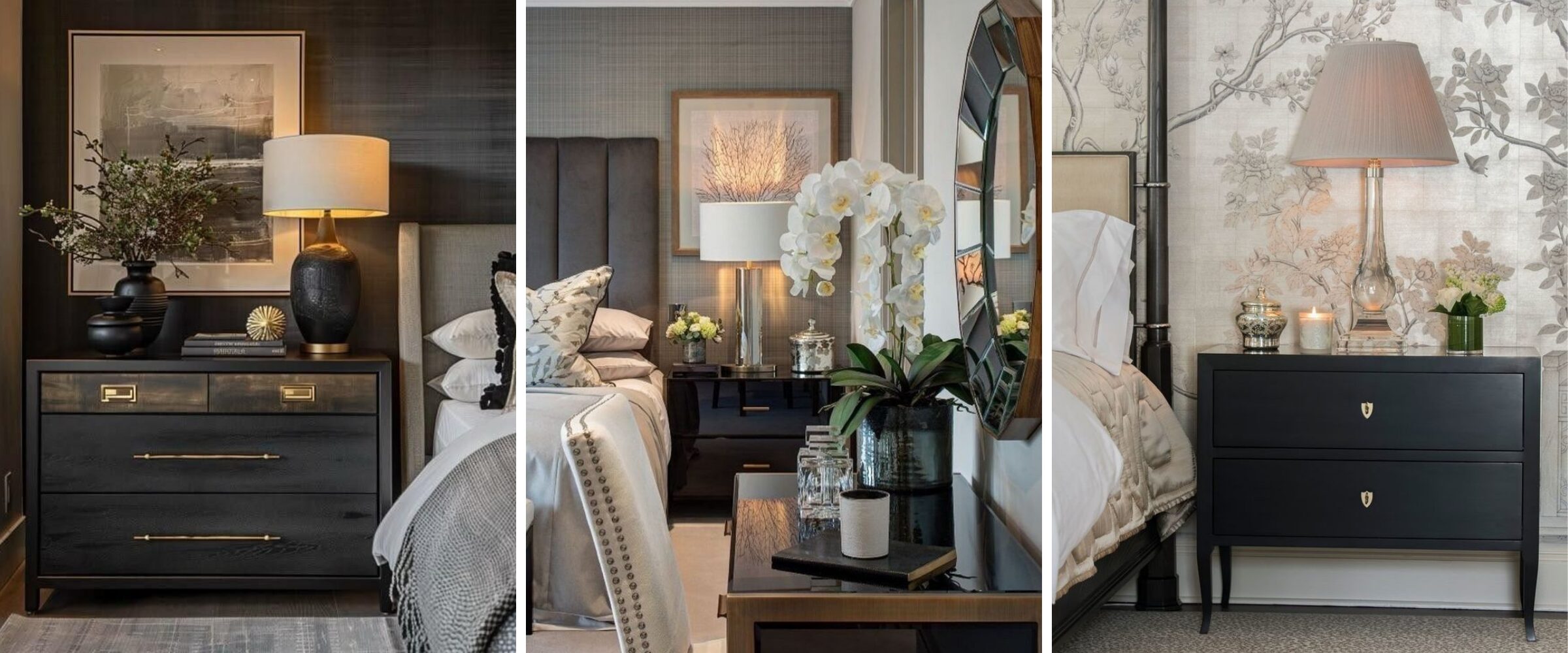
Images via Pinterest.
The Key Elements of Transitional Design
Once you start to recognize transitional design, you’ll see it everywhere — in magazines, model homes, and your favourite Pinterest pins. It’s subtle and sophisticated, never shouting for attention but always feeling calm, balanced, and beautifully composed.
Here are the key elements that bring this timeless look to life.
Colours and Textures
If there’s one word that defines transitional design, it’s neutral. But that doesn’t mean boring.
Instead of relying on bold colour, transitional spaces get their depth from layering soft, tonal shades like creamy whites, taupes, warm greys, soft blues, and muted greens.
If you’re into transitional design, texture becomes your best friend. Think linen, velvet, wool, stone, rattan, and brushed metals. These tactile elements create interest without overwhelming the space.
It’s the contrast of smooth and rough, matte and shiny, soft and structured that gives transitional rooms their quiet sophistication.
Pro Tip: If your room feels flat, you probably don’t need more colour. What you need is more texture.
Furniture and Materials
In transitional design, furniture strikes the perfect balance between form and function. You’ll notice classic shapes like rolled arms, panelled cabinetry, or curved legs but simplified with modern finishes or cleaner proportions.
A few well-scaled pieces always look better than many small ones. Transitional rooms are carefully edited, allowing each piece to breathe and contribute to the overall balance of the space.
For materials, the beauty is in the mix. Think warm woods paired with sleek metals, soft upholstery against stone or glass, traditional frames upholstered in contemporary fabrics. It’s all about harmony and contrast working together.
Lighting and Accessories
Lighting in transitional spaces is both practical and sculptural. Chandeliers or pendants might have clean lines with a nod to classic shapes. For example, think of a lantern-style fixture in matte black, or a modern brass chandelier with soft curves.
Accessories are purposeful, not cluttered. A few well-chosen pieces like a large piece of art, a statement vase, or a textured rug can add personality without overwhelming the space. Every item feels intentional.
Pro tip: If your space feels too modern, add something with curves or warmth. If it feels too traditional, introduce something with a sleek edge. Transitional design lives in that in-between.
Transitional design works beautifully in open-concept homes as long as each area feels connected. If your main floor still feels a little off, read The One Mistake That Makes Open-Concept Spaces Feel Disconnected.
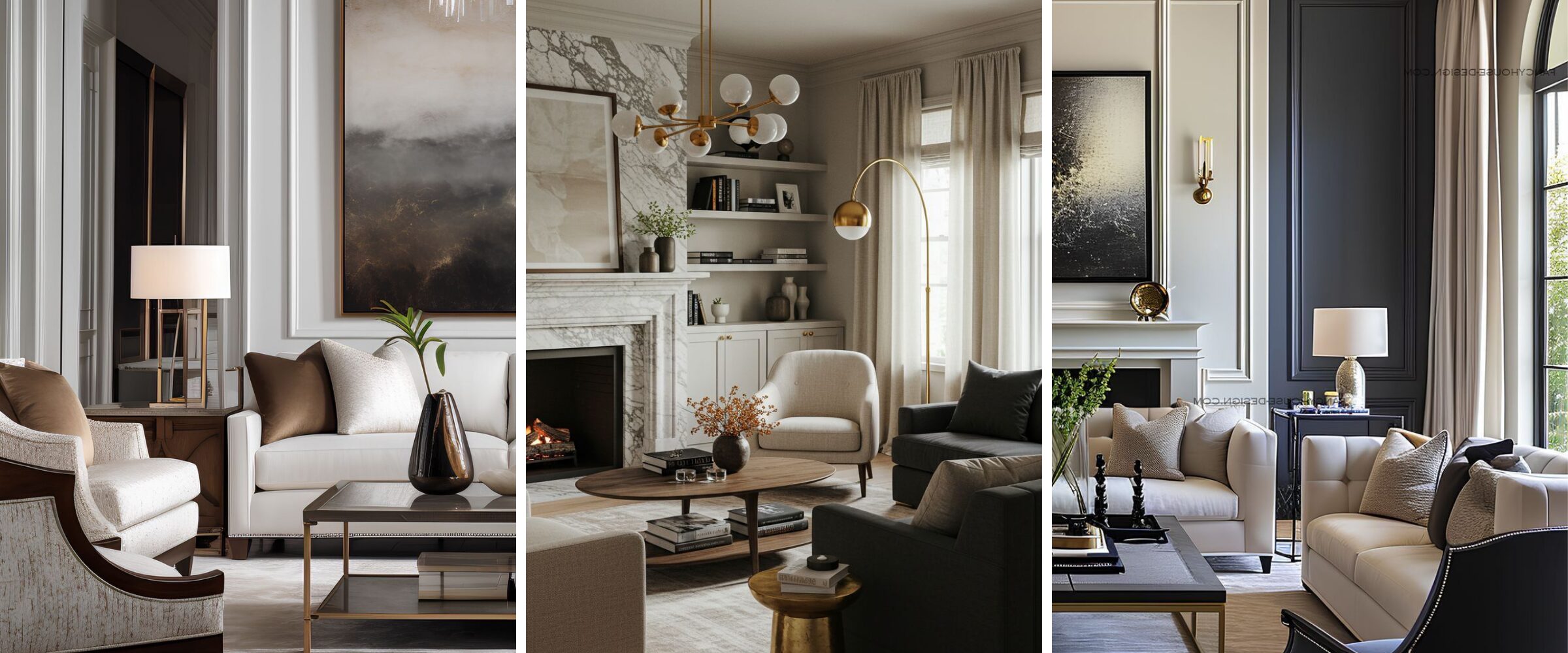
Images via Pinterest.
How to Get the Transitional Look in Your Home
Here’s the good news. You don’t need to start from scratch or renovate your entire home to get the transitional look. In fact, most of the time, it’s about editing what you already have and making a few key updates that bring balance and cohesion to your space.
Here’s how to get started.
1. Start with a Neutral Foundation
Transitional design begins with a calm, neutral base. Choose wall colours, large furniture pieces, and flooring in soft, timeless tones. Think creamy whites, warm greys, or pale taupes. This creates a backdrop that feels fresh and serene and gives you the freedom to layer in texture and contrast later.
2. Mix Classic and Contemporary Elements
The magic of transitional design lies in the mix.
Pair a sleek, modern sofa with a classic wood coffee table. Or combine a traditional dining table with streamlined upholstered chairs. The idea is to create harmony between old and new. Nothing should feel too formal or too stark.
If your home currently leans too traditional, swap out ornate light fixtures or heavy drapery for something simpler. If it’s too modern, introduce a few curved pieces or something with warm wood tones to soften it.
3. Layer Textures Instead of Patterns
Instead of relying on bold prints, transitional spaces use texture to add depth. A wool rug underfoot, linen curtains that puddle softly, a mix of matte and polished finishes– these subtle layers make the space feel rich and inviting without visual clutter.
4. Edit and Curate
One of the biggest mistakes I see homeowners make is over-accessorizing. Transitional design is all about restraint. Choose fewer, larger pieces rather than many small ones. Let surfaces breathe. Curate your accessories like you would a collection. That means each piece should earn its place by adding warmth, texture, or meaning.
Pro Tip: If your space feels disjointed, pick one design element like metal finishes or wood tones and repeat it across the room. Repetition is what makes a space feel cohesive and intentional.
If creating flow from one room to the next has been a challenge, you’ll love these 3 Secrets to Creating a Cohesive Look Across Multiple Rooms. It’s all about using rhythm and repetition to make your home feel connected and intentional.
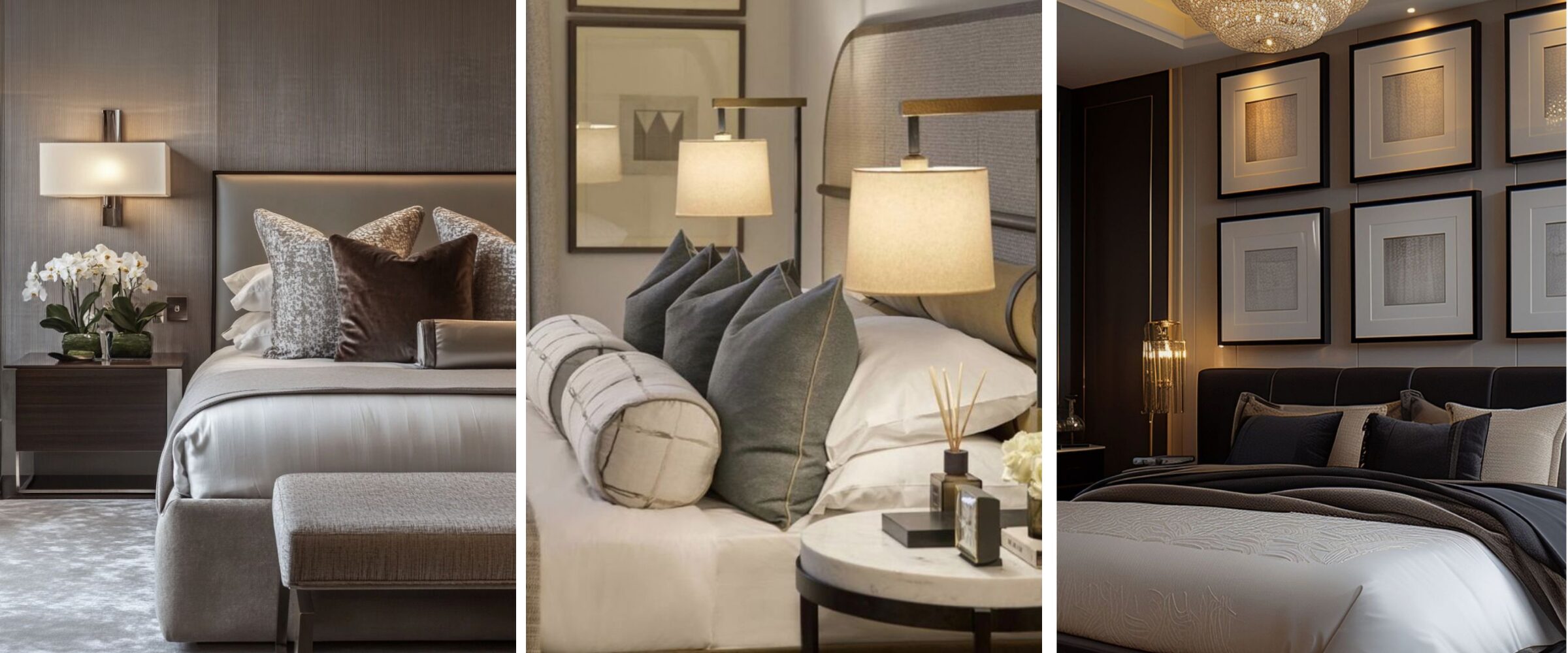
Images via Pinterest.
Final Thoughts
I think one of the biggest reasons transitional design has stood the test of time is because it mirrors how most of us actually want to live.
We crave beauty, but not at the expense of comfort.
We want spaces that feel elegant, but also welcoming and easy to live in.
We want timelessness without feeling like we’re stuck in the past.
That’s what transitional design does so well. It bridges that gap between too modern and too traditional, giving you a home that feels current yet enduring.
When I work with clients who lean toward this look, I often notice a sense of relief wash over them. It’s like they’ve finally found a design language that fits. Not someone else’s version of “trendy” or “perfect,” but a reflection of who they are.
Because when your home feels balanced and grounded, you feel that way too.
If you’ve been collecting inspiration photos that all share that clean-yet-cozy, timeless-yet-fresh feeling, there’s a good chance transitional design is what you’ve been drawn to all along.
And if you’re ready to figure out how to bring that feeling into your own home, Room Rx is the perfect place to start. I’ll walk you through what’s working in your space, what’s not, and exactly how to fix it, so you can create a home that feels timeless, cohesive, and entirely you.
